

























































The future of the FDA’s Commissioner’s National Priority Voucher program is unsettled. No new vouchers have been awarded since former FDA Commissioner Marty Makary left the agency in May, and the executive council that oversaw the initiative has gone dormant, according to sources familiar with the matter and internal documents.
A Pilot Built for Speed, Now Stalled
Launched in June 2025, the program aimed to cut reviews to one or two months for drugs addressing national priorities, including urgent unmet health needs. It awarded vouchers to 22 drugs, according to Yahoo News (Reuters). An executive council was established to oversee reviews and help speed approvals. Its members included former acting drug center director Tracy Beth Hoeg and former biologics chief Vinay Prasad, both of whom left the FDA earlier this year.
The agency’s plans remain disputed. A source familiar with the process told Reuters that FDA leadership informed companies it was not moving forward with the program, though applications remained open. HHS spokesperson Emily Hilliard described the pilot as ongoing, saying the FDA was reviewing feedback from a June public hearing to refine its framework.
Approvals Before and After Makary's Exit
The voucher program’s approval record is mixed: 12 of the 22 drugs have been approved, including five since Makary left in May, according to Reuters. The FDA has had no Senate-confirmed commissioner since his departure. For the nine drugs still in the program, career scientists have resumed overseeing review timelines, Reuters reported, a change from the council-centered process the voucher was designed to provide.
Resources for Standard Drug Reviews
The voucher pilot is not the only effort aimed at review efficiency. The FDA says the Prescription Drug User Fee Act (PDUFA) provides revenue to hire reviewers and support staff and upgrade information technology, with the goal of making new-drug and biologics application reviews more efficient without compromising the agency’s standards for approval, according to the FDA.
Rich Danker, a former assistant secretary at the Department of Health and Human Services, said no new vouchers had been awarded and described the initiative as quietly being phased out. The FDA did not respond to requests for comment on the program lead's departure or on whether a new coordinator had been named, according to the same reporting.
The Tzield Dispute Inside the Executive Council
The council’s role came into focus in deliberations over Sanofi’s diabetes drug Tzield. At three meetings between October 2025 and April, Hoeg raised safety objections, arguing that a clinical trial showed at most minimal benefit relative to the drug’s risks, Reuters reported. After Hoeg and Makary had left the agency, FDA staff granted Tzield accelerated approval in June. Sanofi said the FDA concluded the drug’s benefits outweighed its risks and explained its scientific rationale in a public memo.
Two recent voucher applications processed after Makary’s departure—Merck’s cholesterol pill Lipfendra and Revolution Medicines’ pancreatic cancer drug Rasonque—were not reviewed by the executive council, Reuters reported. Rasonque was approved on a timeline typical for breakthrough cancer therapies using existing oncology review mechanisms, the report said. Merck KGaA and Revolution Medicines declined to comment on the review process, and a separate, US-based Merck entity did not respond to a request for comment.
Pricing Deals and Delayed Reviews
The program has also drawn scrutiny over whether it could favor companies that met President Donald Trump’s demands, including by offering drugs at lower prices. Eli Lilly and Novo Nordisk each received a voucher after reaching drug-pricing deals with the White House, according to Reuters. Merck KGaA said it received a voucher in August for its fertility treatment Pergoveris as part of its own 2026 drug-price agreement with the administration. The drug remained unapproved three months after the FDA accepted its final application, following an eight-month rolling review, Reuters reported.
At a June 2026 public hearing on the pilot, Johnson & Johnson and Merck & Co. voiced support, while former FDA executive Peter Lurie criticized the program for giving political appointees a role in review decisions. He warned that compressed timelines could put consumer safety at risk and said the program lacked transparency. Lurie also told the hearing that 10 of the 22 drugs awarded vouchers were marketed by companies that had made drug-pricing deals with the White House, Fierce Biotech reported.
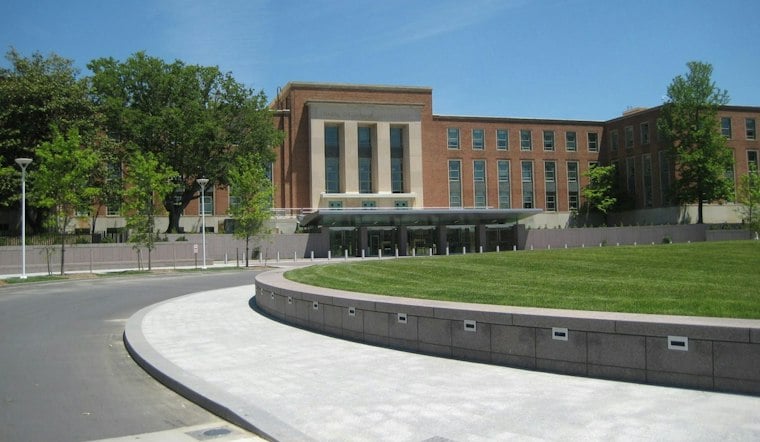
Bioethicist Holly Fernandez Lynch also questioned whether the pilot could deliver meaningful benefits while exposing reviews to political influence. Lilly, Novo Nordisk and Merck KGaA did not comment for the Reuters story. The reporting was credited to Reuters journalists Patrick Wingrove and Yasmeen Abutaleb, and the FDA is headquartered in White Oak, Maryland.





